
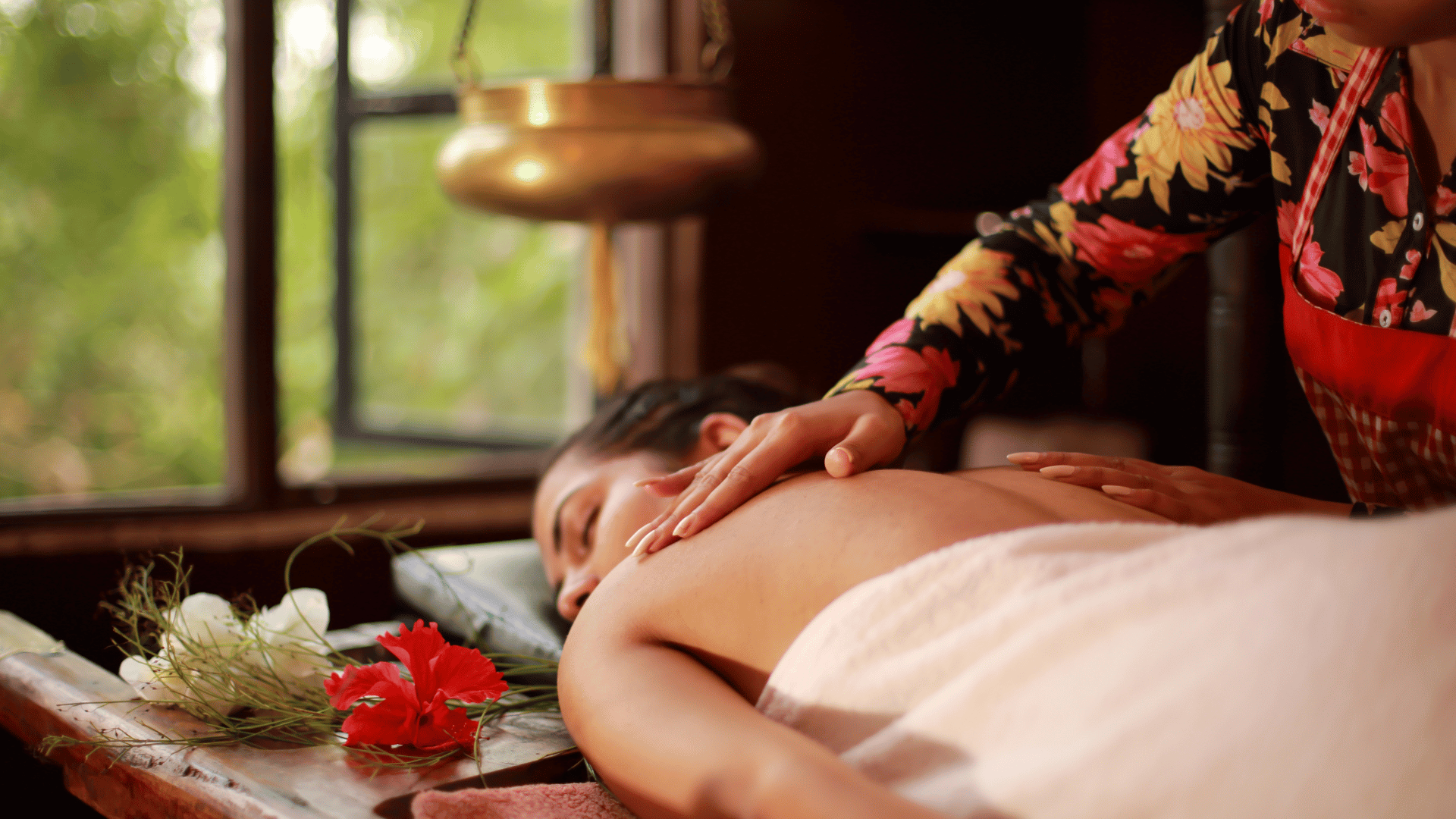
Most descriptions of Ayurveda in Kerala are written to sell a photograph. Green light through palm leaves, oil poured slowly, a woman looking peaceful. That is a real moment, but it is about four minutes of a seven-day stay. Here is the rest of it.
Ayurveda in Kerala is a daily rhythm, not a spa menu
Ayurveda is a traditional system of living well that came out of the Indian subcontinent, and Kerala has practised it continuously for generations. In a good centre, it is organised around routine: when you wake, when you eat, when you rest, what suits your constitution, what does not.
That is why single sessions and full stays feel so different. A single session gives you the experience of one practice. A residential stay gives you a rhythm, kept for you by someone else, for several days in a row. For many people that second part is the actual point.
Your first day usually looks like this
Arrival and settling in. Then a consultation with the centre's Ayurvedic practitioner, who will ask about your sleep, digestion, energy, work, stress and history. This conversation is longer than most people expect and it is not small talk. It shapes what your days will look like.
After that you are given a schedule: session times, meal times, rest periods, and any guidance on what to do and avoid while you are there. Good centres write this down. Ask for it if you are not given one.
The daily rhythm
Days are usually early and quiet. A typical shape looks like this:
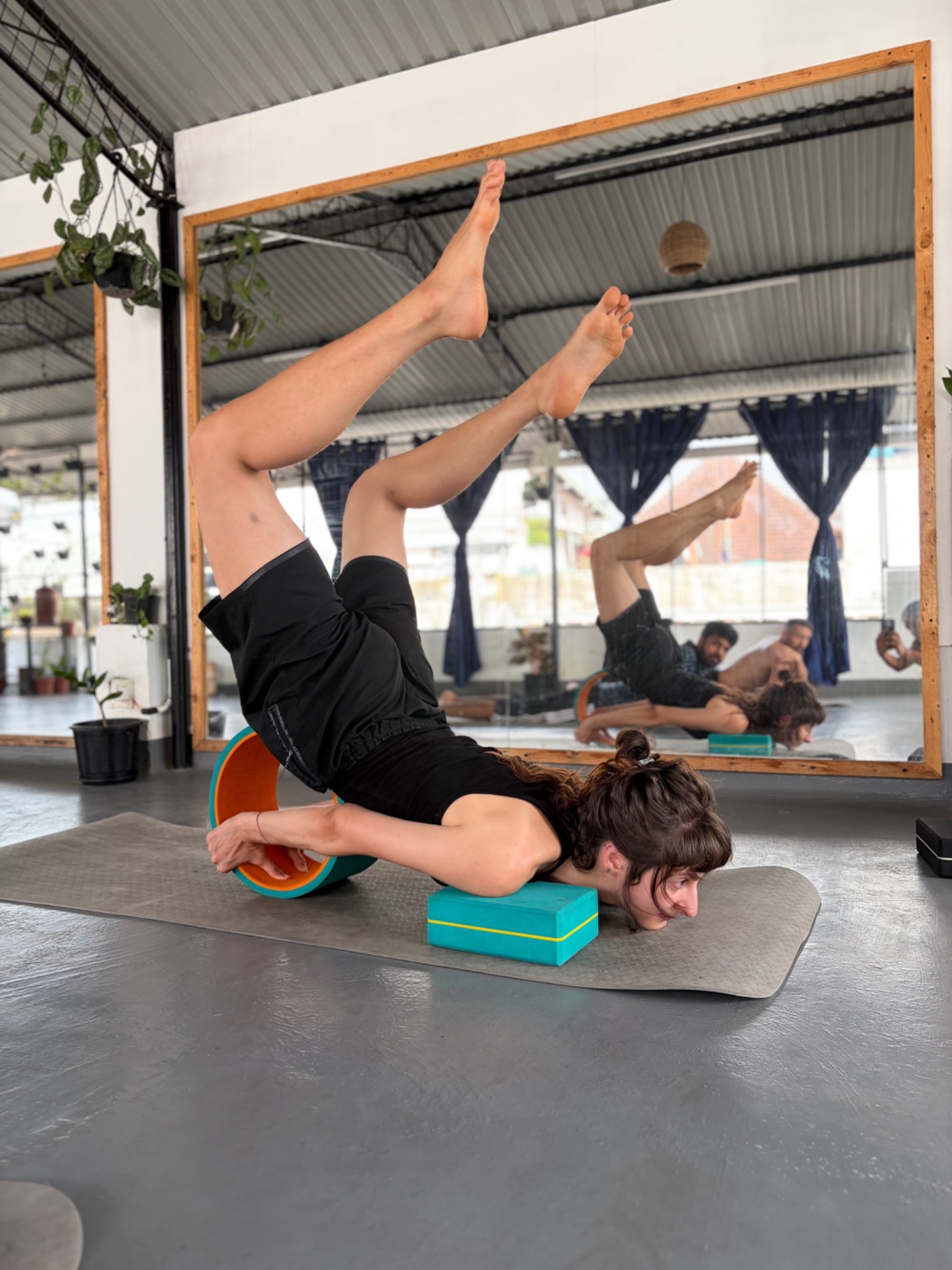
- Early morning: yoga, breathwork or a walk
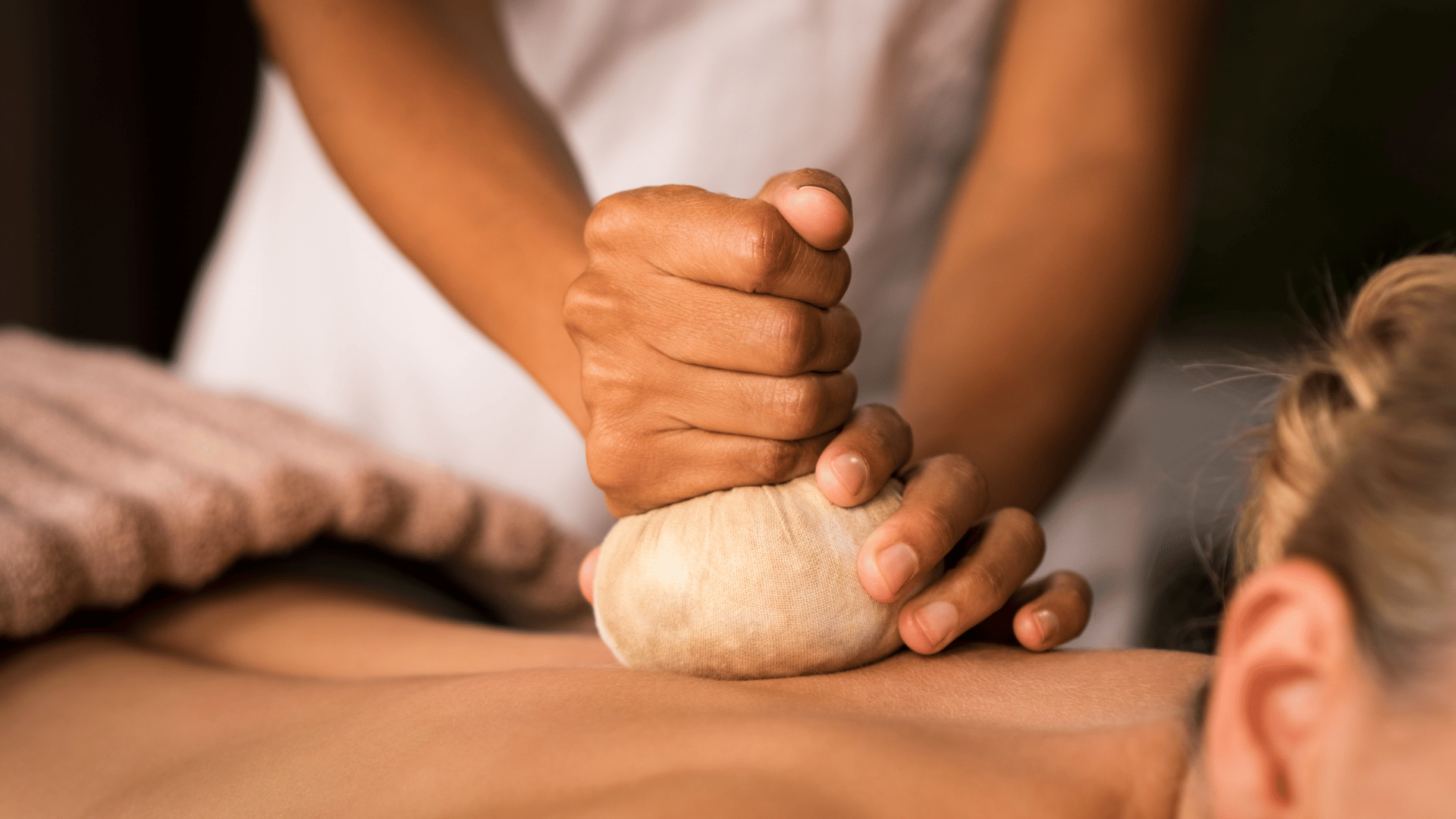
- Morning: Ayurvedic bodywork sessions as scheduled for you
- Midday: a cooked meal, usually vegetarian, often local
- Afternoon: rest, which is scheduled deliberately and is not wasted time
- Evening: a lighter session, a talk, or nothing at all
If you are used to filling every hour, the empty spaces are the hardest part of day two and the best part of day five.

What surprises first-timers most
The oil. There is more of it than you expect, it goes in your hair, and it stays with you. Bring clothes you do not mind marking.
The rest. You will be told to slow down, avoid screens, skip the day trip, and sleep. This is part of the design, not a lack of activity.
The food. Portions are moderate, spices are gentle, and coffee may be discouraged. Most people adjust within two days.
The pace of feeling different. Some people feel lighter on day two. Others feel tired first. Neither is a verdict on the stay.
What it is not
Ayurveda in a wellbeing setting is not medical care and does not replace it. A retreat does not diagnose, treat or cure anything, and any centre that promises it will is telling you something useful about itself. Keep taking prescribed medication, tell the practitioner about your health history and anything you take, and speak to your doctor before you travel if you are pregnant, recovering from illness, or managing an ongoing condition.
How to choose your first program
Start with length, not location. A single session or a short series tells you whether you like the practice. A five or seven day residential stay is where the rhythm actually does its work. Then check who is hosting, what is included, and what happens if you need to cancel.
On Lifed, every program is built with the practitioner or centre that hosts it and reviewed before it goes live, so the page tells you the schedule, the group size, what is included and the cancellation terms before you pay. You can also message the Healthmate hosting it with a question before you book.
FAQ
Do I need to know anything about Ayurveda before I go? No. Every program page states the level it is built for, and the consultation at the start covers what you need to know.
Is a first Ayurvedic stay uncomfortable? Mostly it is quieter than people expect. The common adjustments are early mornings, lighter food, less screen time, and more rest.
How long should a first stay be? Five to seven days is the usual first residential stay. A single session or short series is a lower-commitment way to start.


Comments (0)
Be the first to respond. Comments are read by the LIFED team.